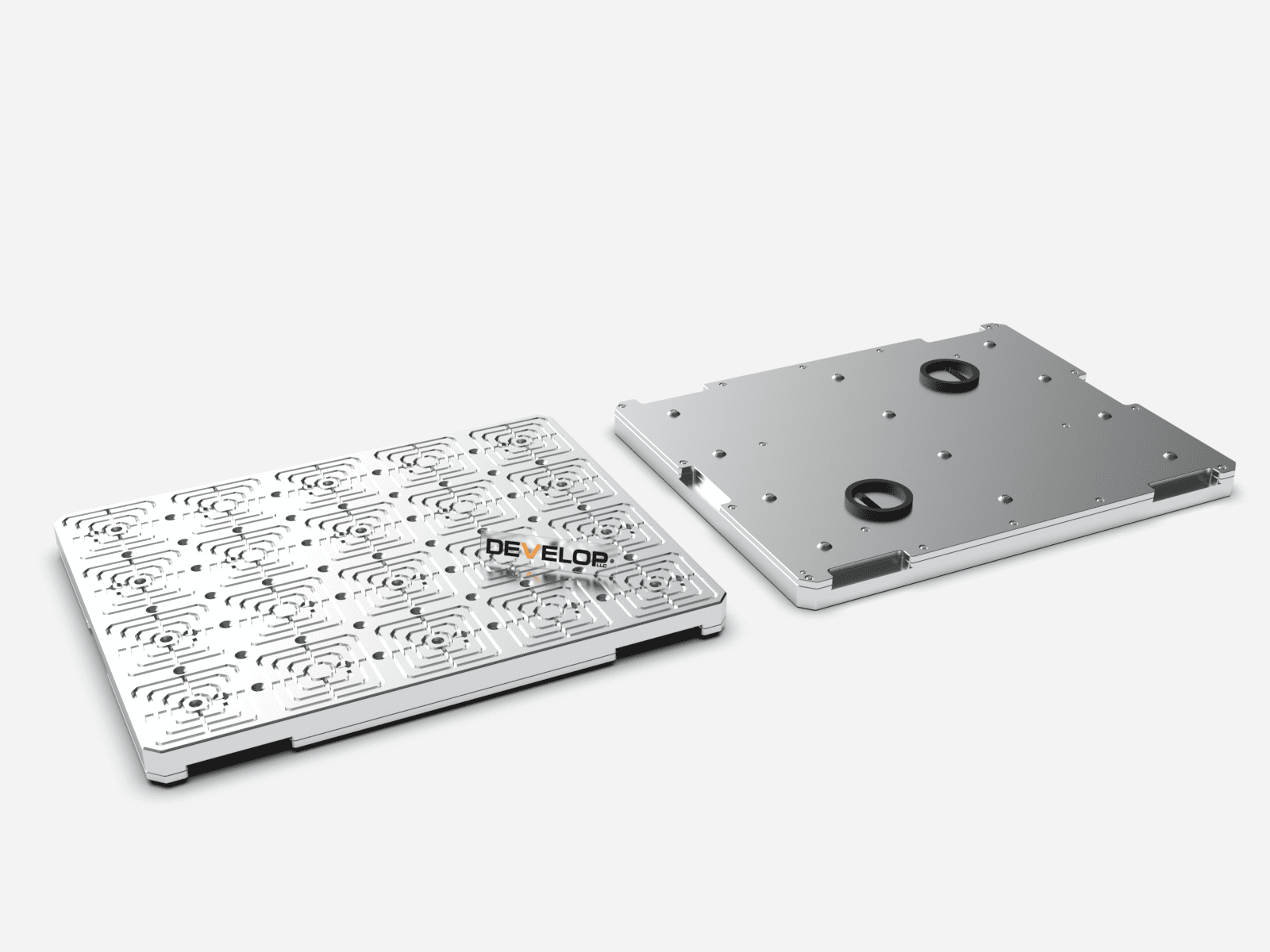
When you are looking to machine parts from raw plate stock, there is no substitute for the workholding of a vacuum chuck. When used correctly, a vacuum chuck can maintain seamless unobstructed downforce pressure to hold your plate stock in place even during high speed spindle machining. A vacuum chuck can be used for quick setups for prototyping, mass production speed, and uniform machining.
But if you are using vacuum chucks for your CNC plate workholding, you may have experienced one or more issues while trying to machine parts:
- Inconsistent vacuum chuck pressure
- Part errors
- Lateral forces moving the plate
- Vacuum chuck gasket issues
- Cutting into the vacuum chuck
- Warped plate stock
- Maintaining pressure on small parts
Our veteran machining experts are here to tell you not only how to mitigate preventable vacuum chuck issues, but how to best save time, money, and effort with CNC vacuum workholding. Here are our top 10 vacuum chuck workholding tips.
Tip 1: Understand Proportional Vacuum Holding Force
Understand that two different size raw stock plates could have dramatically different holding force, even if they are using the same vacuum power.
The downward holding force on a plate depends on the atmospheric pressure created by your vacuum pump or venturi system spread across the surface of your plate to keep you plate in place. The basic calculation looks like this:
Vacuum Holding Strength = roughly 14 pounds per square inch.
(Note: Since atmospheric pressure determines this number, this figure typically ranges from 13 lbs to 14.7 pounds per square inch at sea level).
Let us compare the holding force of a 20” x 10” plate and a 2” x 3” plate on a vacuum chuck:
The larger plate has a surface area of two hundred square inches. With proper gasketing and maximum vacuum power, 14 x 200 = 2800 pounds of downward holding force. That is plenty of holding force. The regular milling, tapping, and cutting done on a high speed CNC machine mill should not move the plate off-center just by the regular actions of the machine.
The small plate has a surface area of six square inches. Even at maximum vacuum power with proper gasketing, 14 x 6= 84 lbs of downward holding force. That is low enough that the lateral forces from cutting and milling have a good chance of pushing your part off-center from the machine program and off the vacuum seal of your gasket.
We tend to recommend that if your plate size is below 4” x 8”, you supplement your vacuum with workholding accessories and equipment:
- Vises
- Workstops
- Adhesives
- Clips or clamps
Learn More: Our AFS and VFS Accessories